 | |||||||||||||||
 |
 |
 |
|
 |
|
 |
|
 |
|
 |
|
 |
|
 |
 |
CSB Core Faculty
- Ray Blind
- Tony Capra
- Walter Chazin
- Steven Damo
- Jamaine Davis
- Martin Egli
- Brandt Eichman
- Steve Fesik
- Tina Iverson
- Lauren Jackson
- Erkan Karakas
- Brett Kroncke
- Borden Lacy
- Galina Lepesheva
- Carlos Lopez
- Terry Lybrand
- Hassane Mchaourab
- Jens Meiler
- Terunaga Nakagawa
- Yi Ren
- Chuck Sanders
- Ben Spiller
- Michael Stone
Emeritus:
- Al Beth
- Paul Bock
- Gerald Stubbs
- Michael Waterman
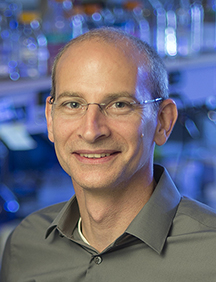
Brandt Eichman
Structural biology of DNA repair and genome maintenance
 DNA damage arising from exposure to
environmental toxins and cellular metabolites thwarts DNA replication and leads to genome instability, cell death, and diseases including cancer.
Our laboratory uses the tools of structural biology and biochemistry to investigate molecular mechanisms of proteins involved in repairing DNA damage
and maintaining replication fork progression.
We primarily use X-ray crystallography as a starting point to understand how these proteins recognize and manipulate DNA structure to carry out their
particular functions.
Current work focuses on base excision repair of DNA alkylation damage by DNA glycosylases, repair of stalled replication forks
by structure-specific DNA translocases, and the coordination of DNA unwinding and synthesis during eukaryotic replication.
The long-term goals are to understand the fundamental processes underlying genome maintenance and to develop new therapeutic strategies that target genetic diseases.
DNA damage arising from exposure to
environmental toxins and cellular metabolites thwarts DNA replication and leads to genome instability, cell death, and diseases including cancer.
Our laboratory uses the tools of structural biology and biochemistry to investigate molecular mechanisms of proteins involved in repairing DNA damage
and maintaining replication fork progression.
We primarily use X-ray crystallography as a starting point to understand how these proteins recognize and manipulate DNA structure to carry out their
particular functions.
Current work focuses on base excision repair of DNA alkylation damage by DNA glycosylases, repair of stalled replication forks
by structure-specific DNA translocases, and the coordination of DNA unwinding and synthesis during eukaryotic replication.
The long-term goals are to understand the fundamental processes underlying genome maintenance and to develop new therapeutic strategies that target genetic diseases.
|
VU Home |
VUMC Home |
People Finder |
University Calendar
webmaster- modified on July 03, 2018 |